


Pyrolytic Ovens
-
Miele 60cm Pureline Built - In Pyrolytic Electric Oven - Clean Steel 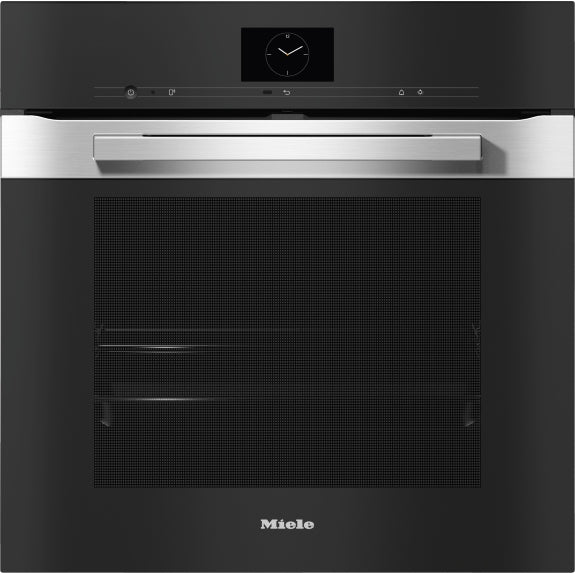
Miele 60cm Pureline Built - In Pyrolytic Electric Oven - Clean Steel
-
Miele 60cm Vitroline Built - In Pyrolytic Electric Oven - Obsidian Black 
Miele 60cm Vitroline Built - In Pyrolytic Electric Oven - Obsidian Black
-
Miele 60cm Vitroline Built - In Pyrolytic Electric Oven - Graphite Grey 
Miele 60cm Vitroline Built - In Pyrolytic Electric Oven - Graphite Grey
-
Miele 60cm Vitroline Built - In Pyrolytic Electric Oven - Obsidian Black 
Miele 60cm Vitroline Built - In Pyrolytic Electric Oven - Obsidian Black
-
Miele 60cm Handleless Built - In Pyrolytic Electric Oven - Obsidian Black 
Miele 60cm Handleless Built - In Pyrolytic Electric Oven - Obsidian Black
-
Miele 60cm Handleless Built - In Pyrolytic Electric Oven - Graphite Grey 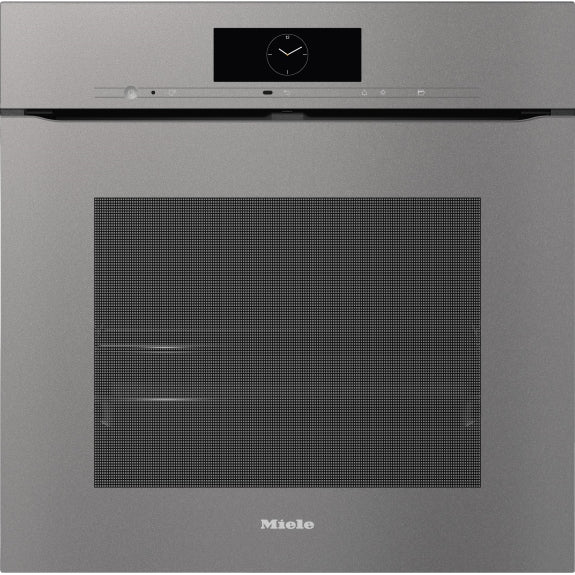
Miele 60cm Handleless Built - In Pyrolytic Electric Oven - Graphite Grey


Frequently Asked Questions
How often should I run the pyrolytic cleaning cycle?
Most households only need to run the pyrolytic cleaning cycle every few months, depending on how often you cook and the types of dishes you prepare. Cleaning routines help pyrolytic ovens perform at their highest. Remove accessories not rated for pyrolytic cleaning before starting cleaning cycles.
Do pyrolytic ovens have special installation requirements?
Pyrolytic ovens typically require a dedicated electrical connection and proper ventilation around or in cabinetry. As they reach very high temperatures during the cleaning cycle, they must be installed according to the manufacturer’s specifications. Designer Appliances recommends using a licensed electrician to ensure safe and efficient operation over time.
What is the difference between pyrolytic and catalytic ovens?
The difference between pyrolytic and catalytic ovens is the cleaning features. Pyrolytic ovens heat to extremely high temperatures, burning away grease and food residue, turning it into fine ash that can be wiped. They require minimal manual cleaning and limited exposure to chemical products, making them the premium self-cleaning option. Catalytic ovens use special liners that absorb grease during everyday cooking. These liners help reduce buildup but still require manual cleaning and replacement of liners. They are generally more affordable but offer less thorough cleaning than pyrolytic models.
Recently Viewed
No recently viewed products yet.
Others Bought
No others bought products yet.